

Application
Lithium projects are stuck on the concentration step
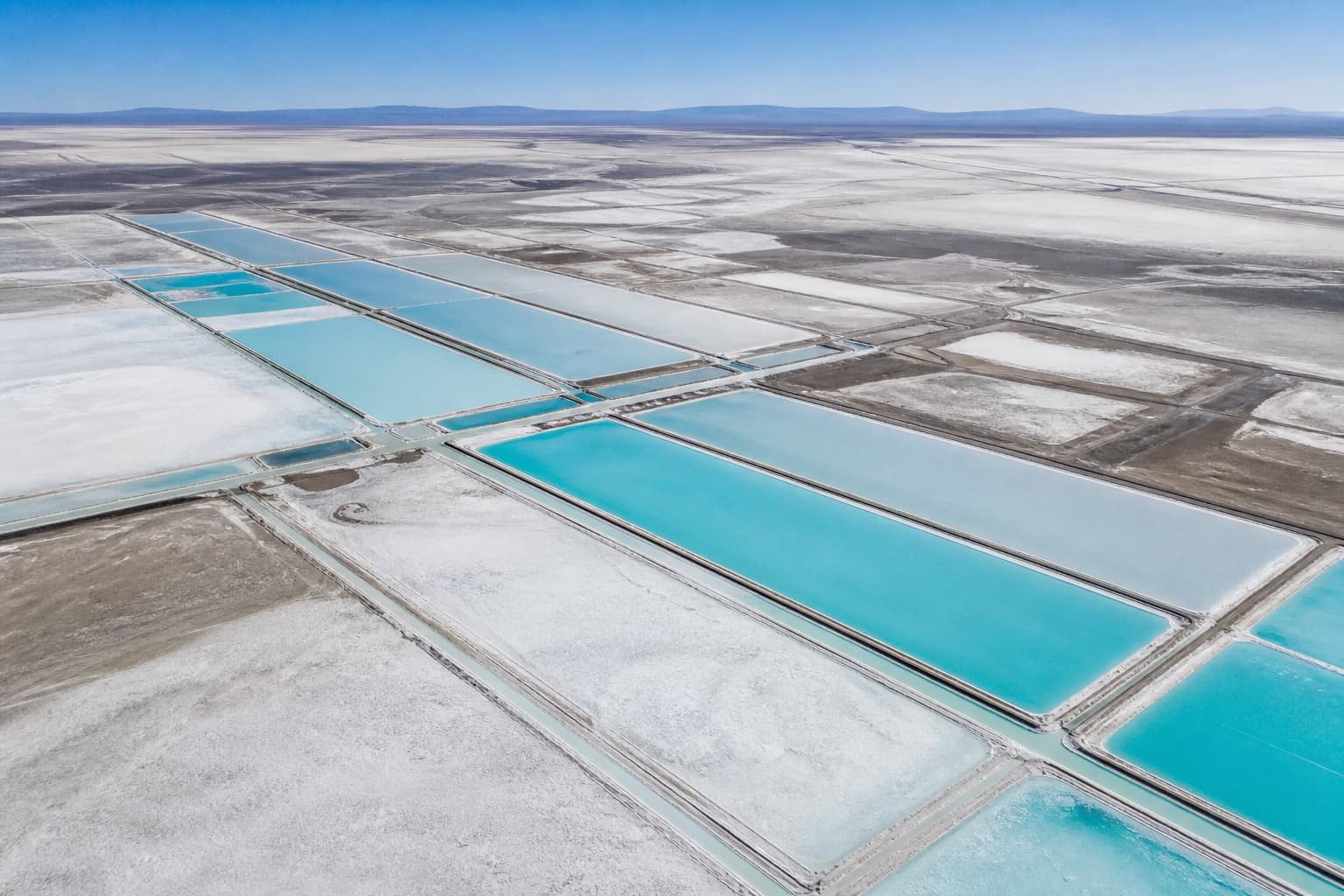
Solar evaporation puts 18 to 24 months between brine and product. Direct extraction removes the ponds but leaves a stream too dilute to crystallize economically. Membrane concentration answers both.
- Brine to product, vs 18–24
- 3–6months
- Smaller footprint than ponds
- 80–90%
- Water recovery, vs 5–20%
- 70–80%
- Lithium salt into crystallization
- 200g/L
The extraction bottleneck
Solar evaporation is too slow to finance, and direct extraction leaves the lithium in a stream too dilute to crystallize. The step that decides the economics sits between them - a concentration duty.
Solar evaporation
- Timeline
- 18–24 months brine to concentrate
- Water loss
- 80–95% of the volume lost to atmosphere
- Exposure
- Rain and humidity set output
- Land
- Square kilometres of ponds per project
- Impact
- Evaporative loss in water-scarce regions
Direct extraction (DLE)
- Downstream-set
- Performance is decided by the concentration step after it
- Dilute output
- Too weak to crystallize economically
- Fresh water
- Large inputs for processing and regeneration
- Crystallizer
- Oversized and expensive on a dilute feed
- The bill
- Post-extraction processing limits project economics
Time to first product
The single number that determines whether a lithium resource is financeable.
Months from brine to product
| Process | Fastest (months) | Slowest (months) |
|---|---|---|
| Solar evaporation | 18 | 24 |
| With membrane pre-concentration | 3 | 6 |
Two routes into production
One accelerates an evaporation operation you already have. The other replaces it. Both use the same concentration technology.
Solar evaporation with pre-concentration
Brine extraction
0.1–0.2% Li from salt lakes or underground brines.
MBC™ pre-concentration
Membrane concentration raises lithium strength ahead of the pond.
Water recovery
70–80% of original volume recovered as pure water.
Concentrated brine
Approximately 6% Li to the final evaporation pond.
Accelerated chemical processing
Crystallization-ready concentration.
- Timeline
- 3–6 months versus 18–24 months solar evaporation.
- Water loss
- 20–30% versus 80–95% traditional evaporation.
- Footprint
- 80–90% smaller than conventional evaporation ponds.
- Pure water recovery
- Recovered water can be reused or returned to environment.
Direct extraction with membrane concentration
Brine extraction & pretreatment
Conditioning the raw brine for selective extraction.
Selective extraction (DLE)
The project's chosen chemistry removes lithium from the brine matrix. MBC™ is compatible with all DLE processes.
MBC™ concentration
Concentrates the dilute DLE stream to crystallization strength.
Clean water reuse
Recovered water returned to operations or discharged safely.
Reduced crystallization
A 200 g/L lithium salt feed sets a 50–90% smaller crystallizer.
- Crystallization-strength feed
- A smaller crystallizer on a stronger feed, which is where the downstream cost sits.
- No fresh water make-up
- Processing and regeneration run on water recovered from the brine itself.
- One train
- Concentration and water recovery on the same equipment, around the extraction step the project already chose.
- Marginal resources
- Brines that do not clear a hurdle rate on evaporation economics can clear it on these.
Recovered products
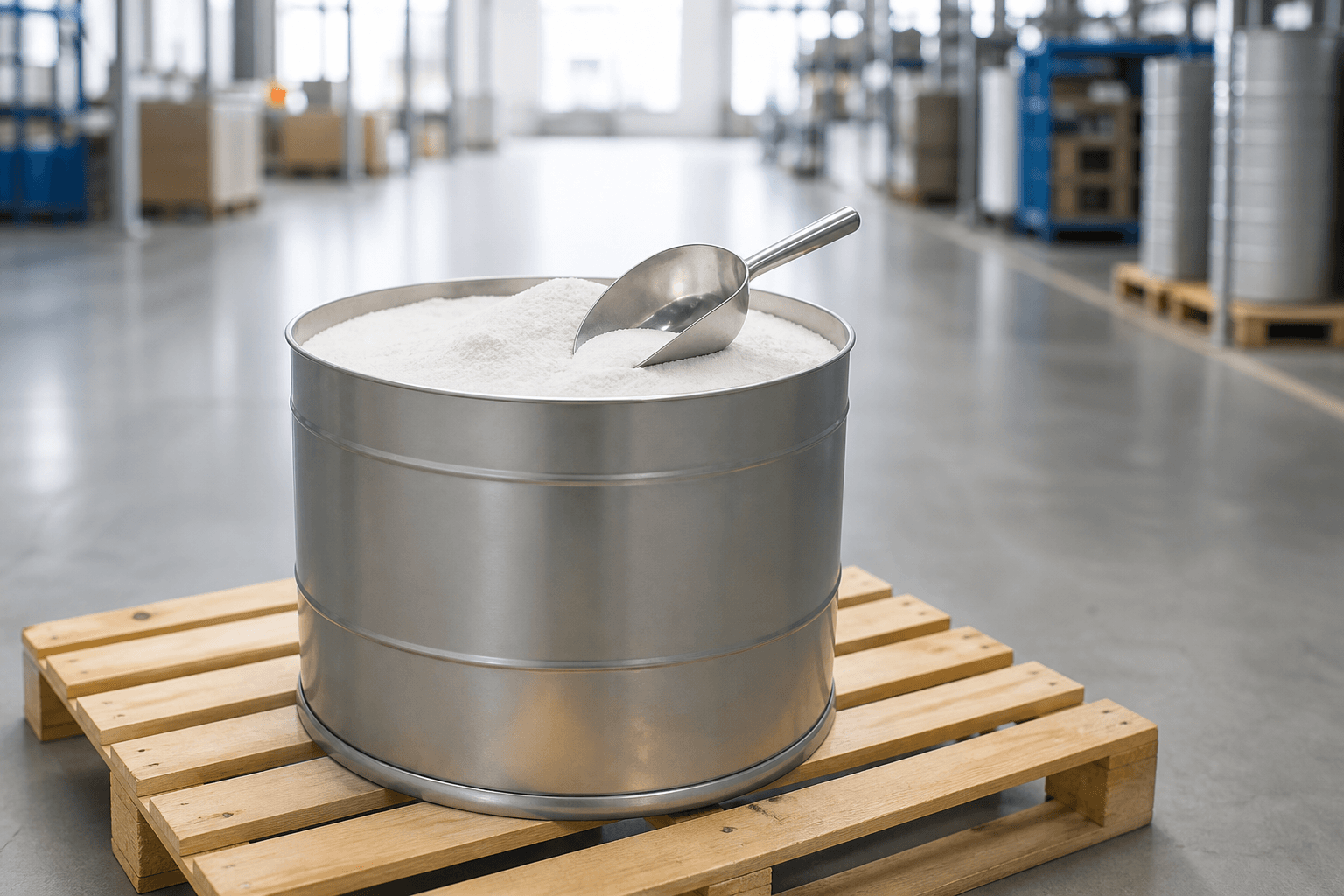
Lithium is the headline, but a brine matrix rarely contains only one thing worth having. The same concentration step that makes lithium economic tends to make its neighbors economic too.
- Battery-grade lithium carbonate
- EV and energy storage applications.
- Lithium hydroxide
- Advanced battery chemistries.
- Industrial lithium
- Ceramics, glass, and pharmaceutical applications.
Other critical minerals
- Barium
- High-purity barium recovery from industrial brines for drilling fluids and chemicals.
- Rare earth elements
- Selective extraction and concentration of REE from mining operations.
- Magnesium
- Industrial-grade magnesium recovery for metal production.
- Potash
- Enhanced potash production from brines for fertilizer applications.
- Bromine
- Bromine recovery from high-salinity desalination brines.
A first read on your stream
Send the flow, the chemistry, and the target. A process engineer replies with a first read on recovery, energy, and the train worth piloting.